
WhatsApp Image 2026-01-05 at 12.35.39 PM (1)

Dining into a Welcoming Space

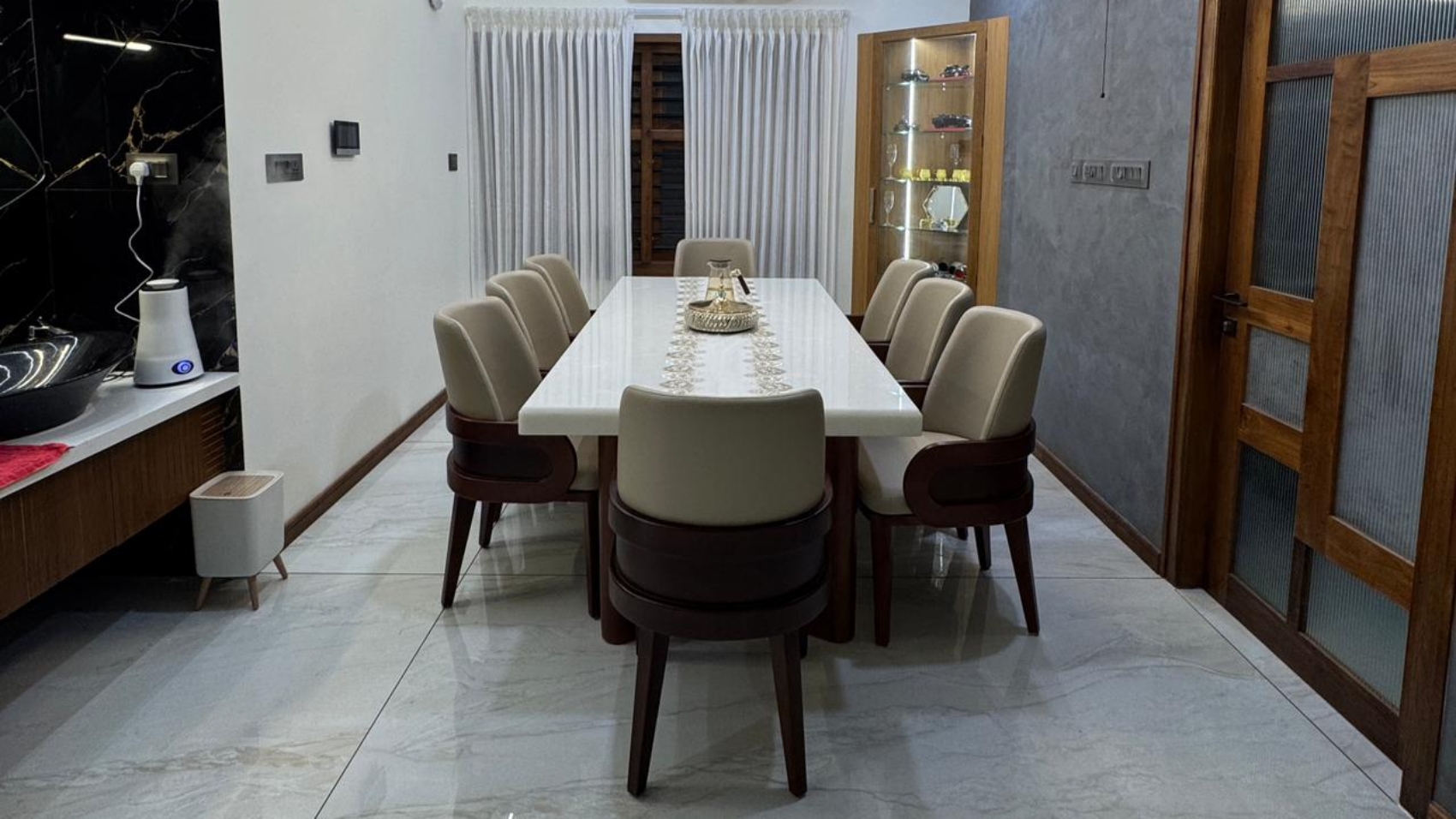
Dining spaces play a vital role in bringing families and friends together, serving as a place where conversations flow as naturally as meals are shared. A thoughtfully designed dining area enhances comfort while encouraging meaningful connections during everyday dining and special occasions alike.

Modern dining designs focus on creating a balance between aesthetics and functionality. From selecting the right dining table to ensuring adequate seating and circulation space, every element is planned to support both relaxed meals and formal gatherings with ease.

Lighting is a key feature in dining area design, as it sets the mood for the entire space. Soft ambient lighting combined with statement pendant lights above the table creates a warm and inviting atmosphere that enhances the dining experience.

Material choices and color palettes greatly influence the character of a dining space. Natural wood finishes, elegant fabrics, and subtle color tones add warmth and sophistication, while bolder accents can introduce personality and visual interest.

Dining areas are often designed to seamlessly connect with the kitchen, ensuring smooth movement and visual harmony. Open layouts or semi-open partitions allow the dining space to feel connected while maintaining its own distinct identity.

A well-designed dining area is not just about meals, but about creating memories. By blending comfort, style, and practicality, dining spaces become welcoming environments where every gathering feels special and every meal becomes an experience.
WhatsApp Image 2026-01-05 at 12.35.45 PM (2)

Small Living Room? Smart Design Solutions

Designing a small living room can feel challenging, but with the right approach, even compact spaces can look stylish, comfortable, and functional. Smart design is not about adding more—it’s about making thoughtful choices that maximize space, light, and usability without compromising aesthetics.

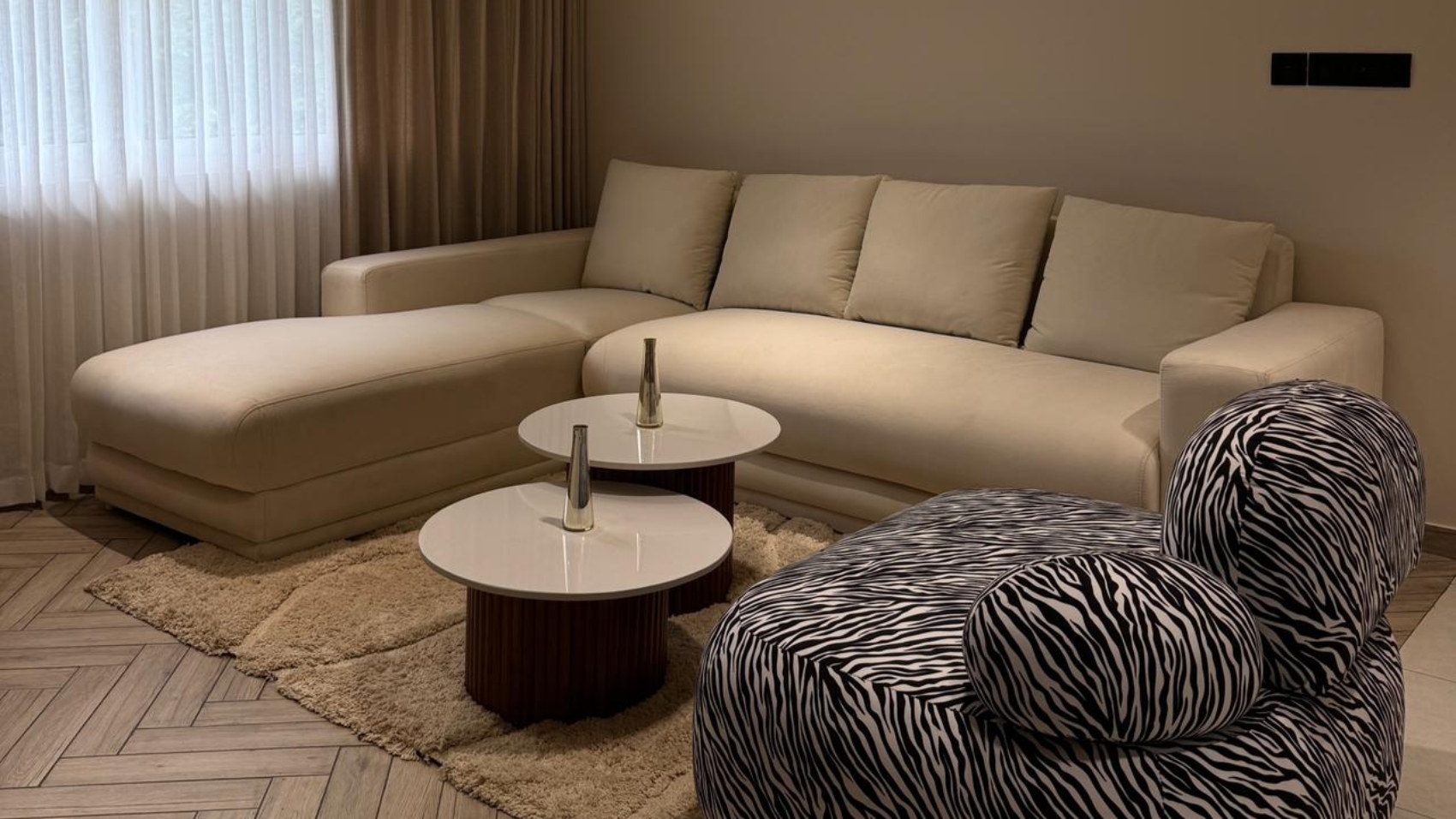
One of the most effective ways to enhance a small living room is through proper layout planning. Opt for furniture that fits the scale of the room and avoid bulky pieces that overwhelm the space. Modular sofas, armless seating, and sleek coffee tables help maintain visual openness while still offering comfort and functionality.

Color and lighting play a crucial role in making a small living room appear larger. Light, neutral shades such as whites, soft greys, and warm beiges reflect natural light and create an airy feel. Layered lighting—combining ceiling lights, wall fixtures, and floor lamps—adds depth and prevents the space from feeling flat or confined.

Smart storage solutions are essential in compact living areas. Built-in cabinets, wall-mounted shelves, and multifunctional furniture help keep clutter out of sight. Choosing furniture with hidden storage ensures the room stays organized while maintaining a clean and minimal look.

Mirrors and glass elements are powerful design tools for small spaces. Strategically placed mirrors reflect light and visually expand the room, while glass-top tables and open shelving reduce visual weight. These elements help create a sense of openness without sacrificing functionality.

Finally, personalization brings warmth and character to a small living room. Carefully selected décor, textured cushions, indoor plants, and minimal artwork add personality without crowding the space. With smart design solutions and intentional choices, a small living room can be transformed into a stylish and welcoming space that feels much larger than it is.

WhatsApp Image 2026-01-05 at 12.35.45 PM

Bedroom into a Cozy Retreat

A bedroom should be more than just a place to sleep—it should be a personal retreat that offers comfort, calm, and relaxation. Thoughtful design choices can transform an ordinary bedroom into a cozy sanctuary that reflects your lifestyle while promoting rest and well-being.

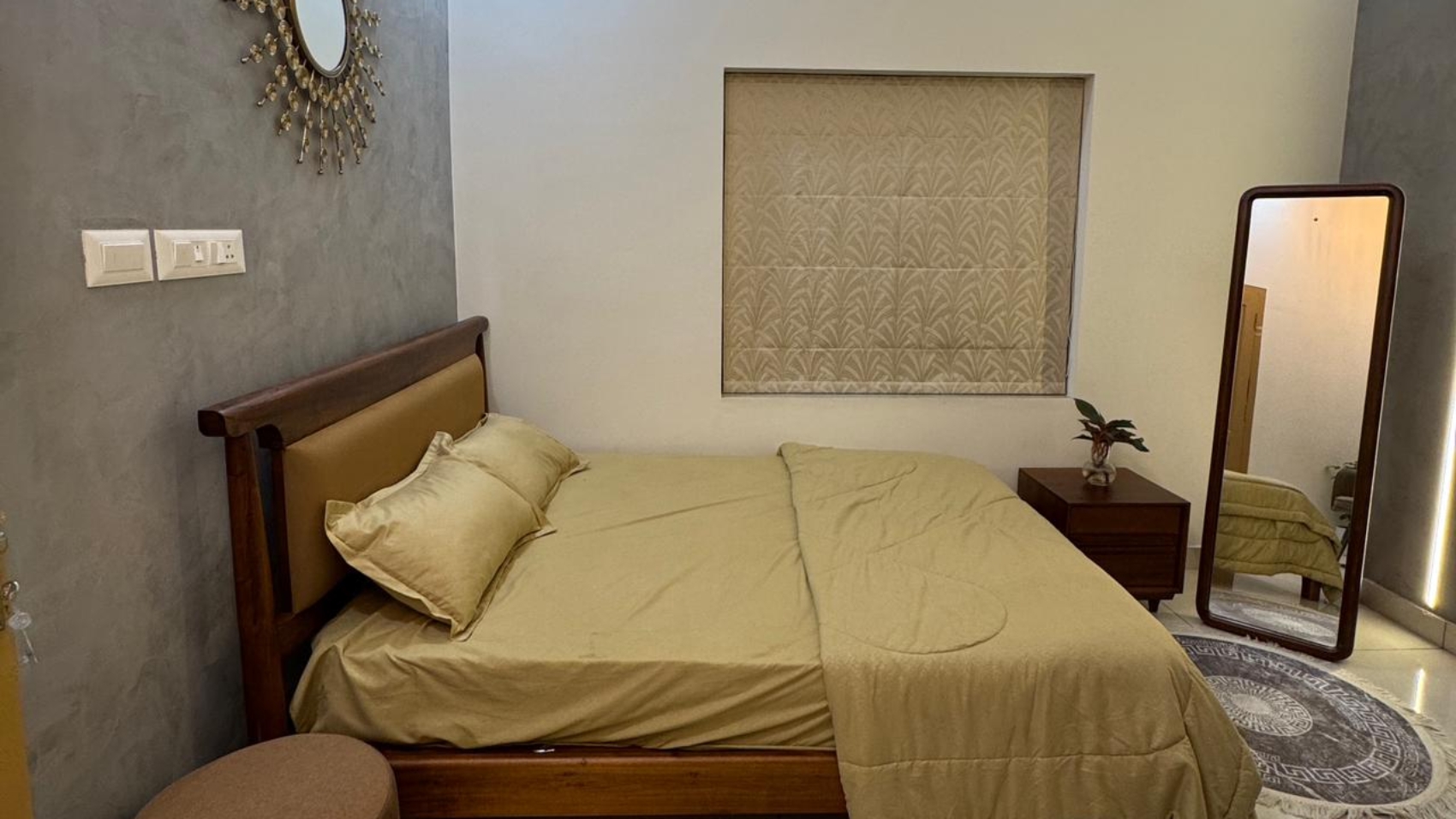
The foundation of a cozy bedroom starts with a soothing color palette. Soft neutrals, warm earthy tones, and muted pastels create a calming atmosphere that helps the mind unwind. Layering textures through fabrics like linen, cotton, and wool adds depth and warmth without overwhelming the space.

Lighting plays a key role in setting the mood. Instead of relying on a single overhead light, incorporate ambient and task lighting such as bedside lamps, wall sconces, or warm LED strips. Soft, warm lighting creates a relaxed environment and enhances the cozy feel of the room.

Furniture selection should focus on comfort and functionality. Choose a bed with an upholstered or wooden headboard for added warmth and visual appeal. Keep furniture minimal and well-proportioned to maintain a clutter-free space that feels open and restful.

Textiles and accessories bring personality and softness to the bedroom. Plush cushions, layered bedding, area rugs, and cozy throws make the space inviting. Simple décor elements such as artwork, indoor plants, or personal accents add character without disrupting the calm ambiance.

Finally, organization is essential to maintaining a peaceful retreat. Smart storage solutions like built-in wardrobes, under-bed storage, and bedside units help keep the bedroom tidy and stress-free. When every element is thoughtfully placed, the bedroom becomes a cozy retreat that encourages relaxation and restful sleep.