
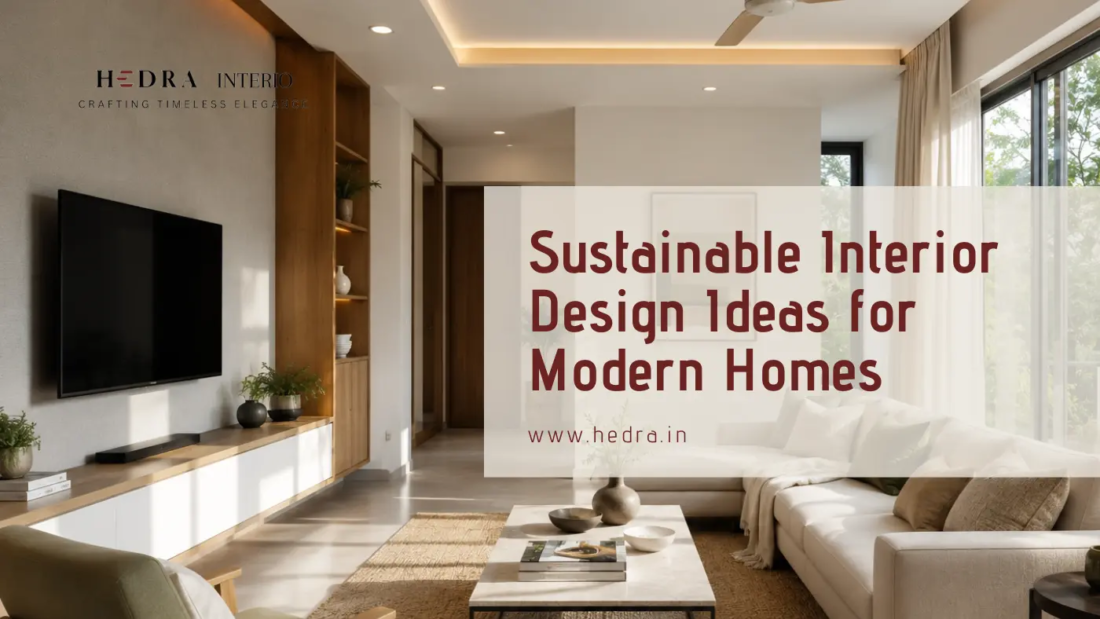
Most people assume that sustainable design means compromising on style. Bare walls, recycled cardboard furniture, and earthy tones that feel more like a science classroom than a home. That assumption could not be further from the truth.
Today, some of the most beautiful, luxurious, and magazine-worthy interiors are built on sustainable principles. The materials are thoughtfully sourced, the spaces are energy-efficient, and the design choices are made with longevity in mind rather than next season’s trend. The result is a home that looks exceptional and feels genuinely good to live in. If you have been thinking about redesigning your home with sustainability at its core, here is everything you need to know to do it right.
What Sustainable Interior Design Actually Means
Sustainability in interior design is not just about using recycled materials. It covers the full lifecycle of every element in your home, from where the raw materials come from, how they are processed, how long they last, and what happens to them when they are eventually replaced.
The best sustainable interior design ideas focus on three things: reducing waste, improving energy efficiency, and choosing materials that are non-toxic and responsibly sourced. When these principles guide your decisions, every room in your home becomes a reflection of both good taste and good values.
Start with the Right Materials
Material selection is where sustainable design begins and where most of the impact is made. Natural and reclaimed materials are the foundation of any eco-conscious interior. Reclaimed wood brings character and history into a space while keeping timber out of landfill. Bamboo, one of the fastest-growing plants on earth, makes for beautiful flooring, cabinetry, and furniture. Natural stone, terracotta, and clay tiles are durable, low in chemical processing, and age beautifully over time.
For textiles, look for organic cotton, linen, jute, and wool. These materials are biodegradable, free from synthetic chemical treatments, and far more breathable than their synthetic counterparts.
Let Natural Light Do the Heavy Lifting
Lighting is one of the most underrated elements in sustainable home design. The more natural light a space receives, the less artificial lighting it needs, which directly reduces energy consumption.
Work with your designer to maximise window placement, use sheer curtains instead of heavy drapes, and consider skylights in rooms that tend to feel dark. Mirrors placed strategically opposite windows can double the impact of natural light without any additional energy cost. When artificial lighting is necessary, LED fixtures are the clear choice. They consume up to 80% less energy than traditional bulbs and last significantly longer.
Sustainable Kitchen Design: Where It Matters Most
The kitchen is one of the most resource-intensive rooms in any home and also one where sustainable choices have the greatest cumulative impact.
A well-designed modular kitchen in Calicut can be built using low-emission MDF boards, water-based finishes, and energy-efficient appliances that reduce both electricity and water consumption over time. Modular kitchens are also practical from a sustainability standpoint because individual units can be repaired or replaced without ripping out the entire setup.
Key sustainable kitchen choices include:
- Countertops made from recycled glass, reclaimed wood, or natural stone
- Cabinet finishes using water-based, low-VOC lacquers
- Energy Star-rated appliances for refrigerators, dishwashers, and ovens
- Pull-out waste systems that make recycling and composting easy to integrate into daily life
Common Mistakes to Avoid in Sustainable Home Design
Even well-intentioned homeowners make these mistakes. Knowing them in advance saves time, money, and a fair amount of frustration.
- Greenwashing trap: Not everything labelled “eco-friendly” or “natural” actually is. Always ask for certifications and specifics rather than accepting marketing claims at face value.
- Ignoring durability: Cheap, sustainable-sounding products that wear out in two years are not sustainable at all. Longevity is a core part of the equation.
- Overlooking ventilation: Good indoor air quality depends on proper airflow. Sealing a home for energy efficiency without planning ventilation can trap pollutants inside.
- Following trends blindly: Sustainable design should be timeless. Chasing fast-moving trends leads to more frequent redesigns, which generates more waste.
- Forgetting about water: Low-flow fixtures, water-efficient landscaping, and greywater systems are all part of a holistic, sustainable home, but are often left out of interior planning entirely.
The Real Benefits of Sustainable Interior Design
Beyond the environmental impact, sustainable design delivers very practical advantages for homeowners. Working with a skilled interior design company in Calicut that understands sustainable principles means your home is designed to perform better over its entire lifespan. Here is what that looks like in practice:
- Lower utility bills from energy-efficient lighting, appliances, and insulation
- Better indoor air quality from non-toxic materials and finishes
- Higher property value as eco-conscious design becomes increasingly sought after
- Reduced maintenance costs because quality, durable materials simply last longer
- A healthier living environment for your family, especially important for households with children or allergy sufferers
Working with the Right Design Team
Sustainable design requires a different level of planning than conventional interiors. It involves sourcing decisions, material knowledge, and an understanding of how spaces perform over time, not just how they look on day one.
Experienced interior designers in Calicut who specialise in sustainable residential projects bring this knowledge to the table from the very first consultation. They know which local suppliers offer responsibly sourced materials, how to balance aesthetics with environmental responsibility, and how to deliver a space that feels cohesive, beautiful, and built to last. The best sustainable interior design ideas are not pulled from a Pinterest board. They are developed through a genuine understanding of your lifestyle, your home’s orientation, your local climate, and your long-term goals.
Expert Tips for Getting Started
- Begin with an audit of your current home. Identify what can be retained, repurposed, or refinished before buying anything new.
- Invest in quality over quantity. One well-made piece of furniture lasts decades. Three cheap alternatives end up in a landfill.
- Choose a neutral, timeless palette as your base and add personality through textures, plants, and accessories that can be updated without major redesigns.
- Incorporate indoor plants not just for aesthetics but for their genuine air-purifying benefits.
- Discuss your sustainability goals openly with your designer from day one so every decision aligns with them.
FAQ
Is sustainable interior design more expensive than conventional design?
It can have higher upfront costs, particularly for certified materials and quality furniture. However, the long-term savings on energy bills, reduced maintenance, and less frequent redesigns typically make it more cost-effective over the life of the home.
Can I make my existing home more sustainable without a full renovation?
Absolutely. Switching to LED lighting, adding low-VOC paint, introducing natural textiles, and incorporating indoor plants are all impactful changes that require no structural work at all.
What is the most sustainable flooring option for a home in Kerala’s climate?
Bamboo, terracotta tiles, and locally sourced natural stone are all excellent choices. They perform well in humid climates, require minimal processing, and last for decades with basic care.
How do I know if a material is genuinely sustainable?
Look for third-party certifications such as FSC for wood, OEKO-TEX for textiles, and GreenGuard for low chemical emissions. Ask your designer or supplier for documentation rather than relying on product labelling alone.
Do sustainable homes look different from conventionally designed homes?
Not at all. Sustainable design today encompasses every aesthetic from minimalist and contemporary to traditional and maximalist. The principles apply to how materials are chosen and how spaces perform, not to any particular visual style.
Conclusion: Design a Home Worth Keeping
The most sustainable home is one that is designed so well you never want to change it. When every material is chosen with care, every space is planned with purpose, and every decision is made to last, the result is an interior that ages beautifully and serves your family well for years to come. Sustainability and style are not in conflict. In the hands of the right design team, they reinforce each other in ways that make your home truly exceptional.
Ready to bring sustainable design into your home? Hedra Interio combines thoughtful material choices, timeless aesthetics, and expert craftsmanship to create interiors that are as responsible as they are beautiful. From living spaces to modular kitchens in Calicut, our team designs homes built to last.
Add a Comment